They speak French. So why are young anglophones still leaving Quebec?

Read More

Lincoln: May the last days of the election bring hope for true democratic change

Read More

Quebec seeks to appeal court ruling on French-only election mailouts

Read More

Élections Québec has told employees not to speak English. Does that violate Anglos' rights?

Read More

Quebecers ‘hate referendums,’ federal minister Marc Miller says

Read More

French-only voter mailouts for Quebec election challenged in court

Read More

Lincoln: Amid wavering Liberal support, beware of the wolf in sheep’s clothing

Read More

Une municipalité de l’Outaouais dénonce l’absence d’un débat des chefs en anglais

Read More

Quebec will not remove English content from government websites, Roberge says

Read More

Anglophones et nationalistes cherchent une « voie de passage »

Read More

The problem with how Quebec decides who gets English services

Read More
CTV News Montreal — October 13, 2026

This historian studied why some English-speaking youth choose to stay in Quebec — or leave
News

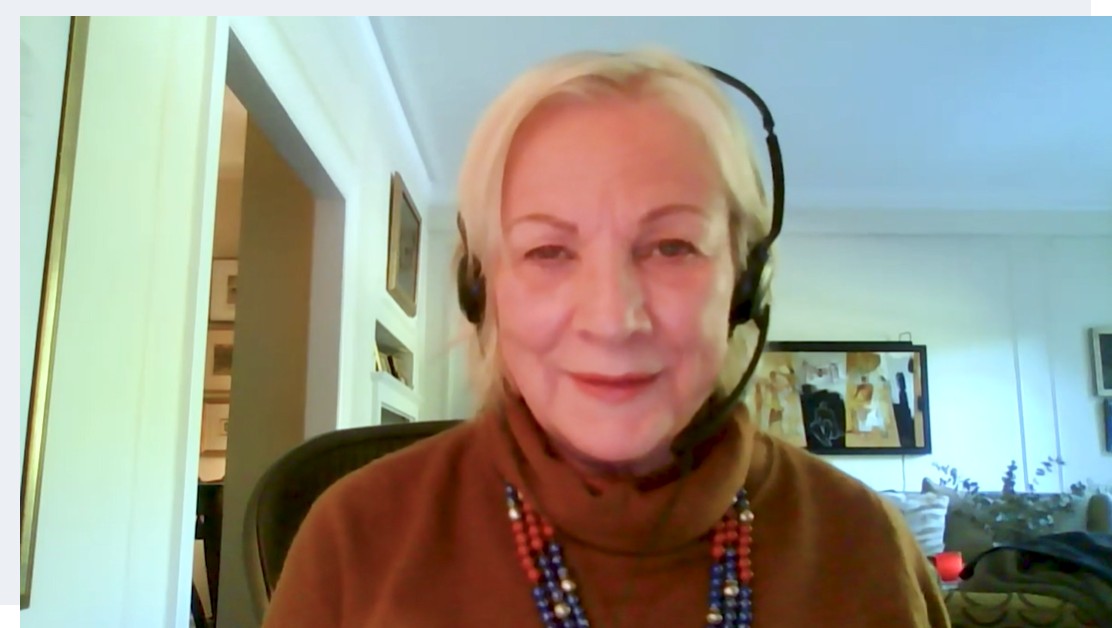
A new study looks at why young English-speaking Quebecers choose to stay in the province — or leave.

Across Quebec, English-speaking youth are increasingly bilingual, but historian Simon-Pierre Lacasse says language skills don’t necessarily translate into acceptance. Economic opportunities and a sense of belonging continue to shape those decisions of whether to stay or leave.

Lacasse, an affiliate professor of history at Concordia University, says research points to linguistic discrimination, barriers to career advancement, and a lack of recognition. But the challenges aren’t the same across the province.

Young anglophones outside Montreal face fewer job opportunities, lower salaries, and less access to post-secondary education, and when they leave the consequences can reach far beyond their own futures.

“Because of the size of the community and what it means for the institutions, what it means for keeping a high school going, what it means for having access to health and social services in those remote areas,” he said.

The findings need to lead to action, according to Sylvia Martin-Laforge, director general of TALQ, an anglophone rights group in Quebec.

You Might Also Like

Follow Us

Stay connected

We have lots to talk about.

Menu