

Hanes: Quebec’s French-only voter information cards undermine democracy
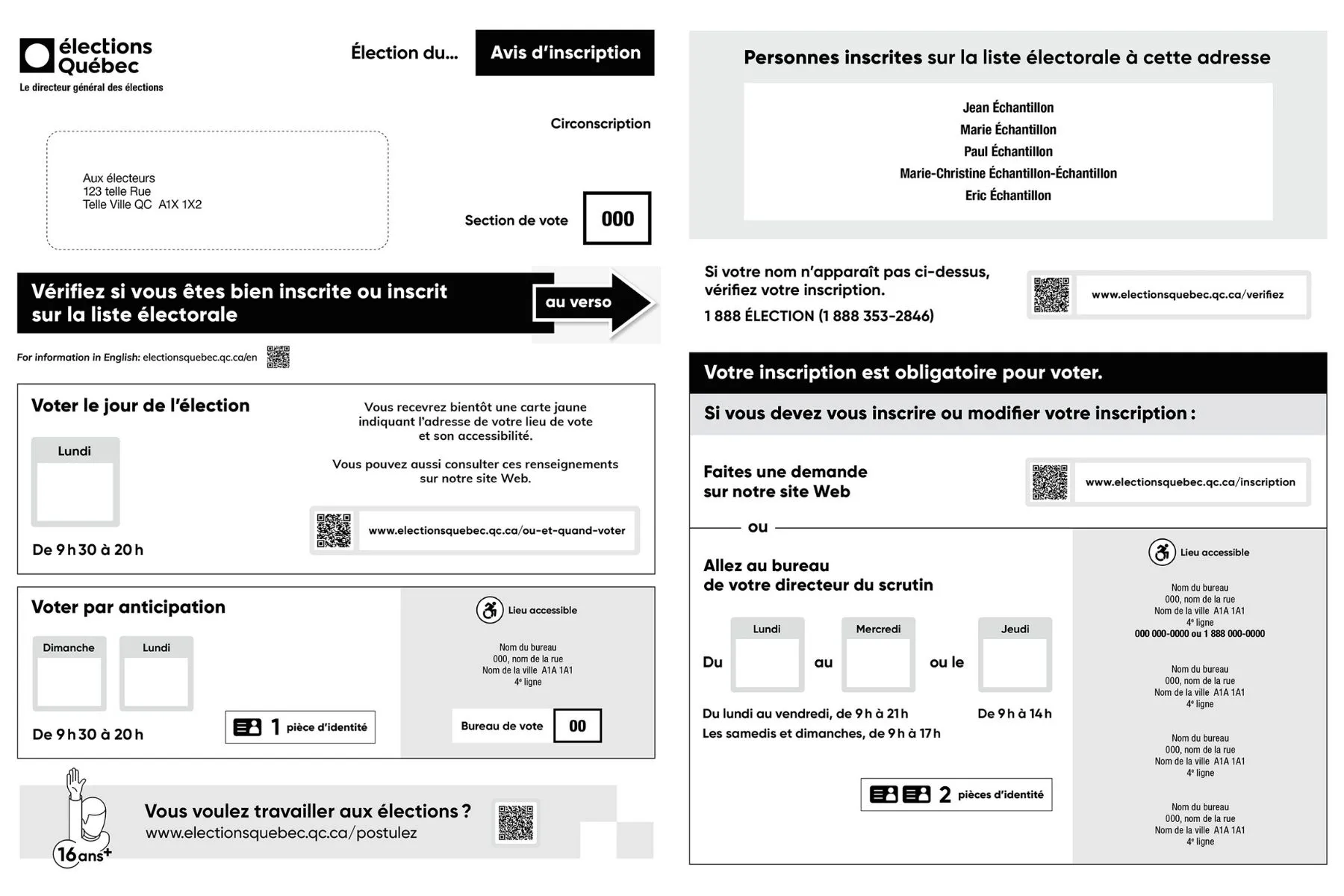
Like gerrymandering in the U.S., it could be viewed as an attempt to to disenfranchise some voters, in this case anglos.
The practice of gerrymandering — or manipulating electoral boundaries to the unfair advantage of one group or party — has a long history in the United States.
The term was first coined in the early 1800s because the rejigged districts mandated by Massachusetts Governor Eldridge Gerry were said to resemble a salamander, and an editorial cartoon in the Boston Gazette about his hijinks depicted him as the amphibian.
More than two centuries later, the nomenclature lives on, and so does the vote-consolidation scheme. If anything, gerrymandering seems to have picked up steam lately as states like Texas, California, Louisiana, Florida and Virginia expedite updates to their electoral maps that are typically done every decade.
While the group or party tinkering with the scales to tip them in their own favour vary from place to place, the effect is the same everywhere: it’s an attempt to disenfranchise certain voters (often Black, marginalized or poor) and dilute the weight of their will at the ballot box.