

No English debate during Quebec’s fall election campaign
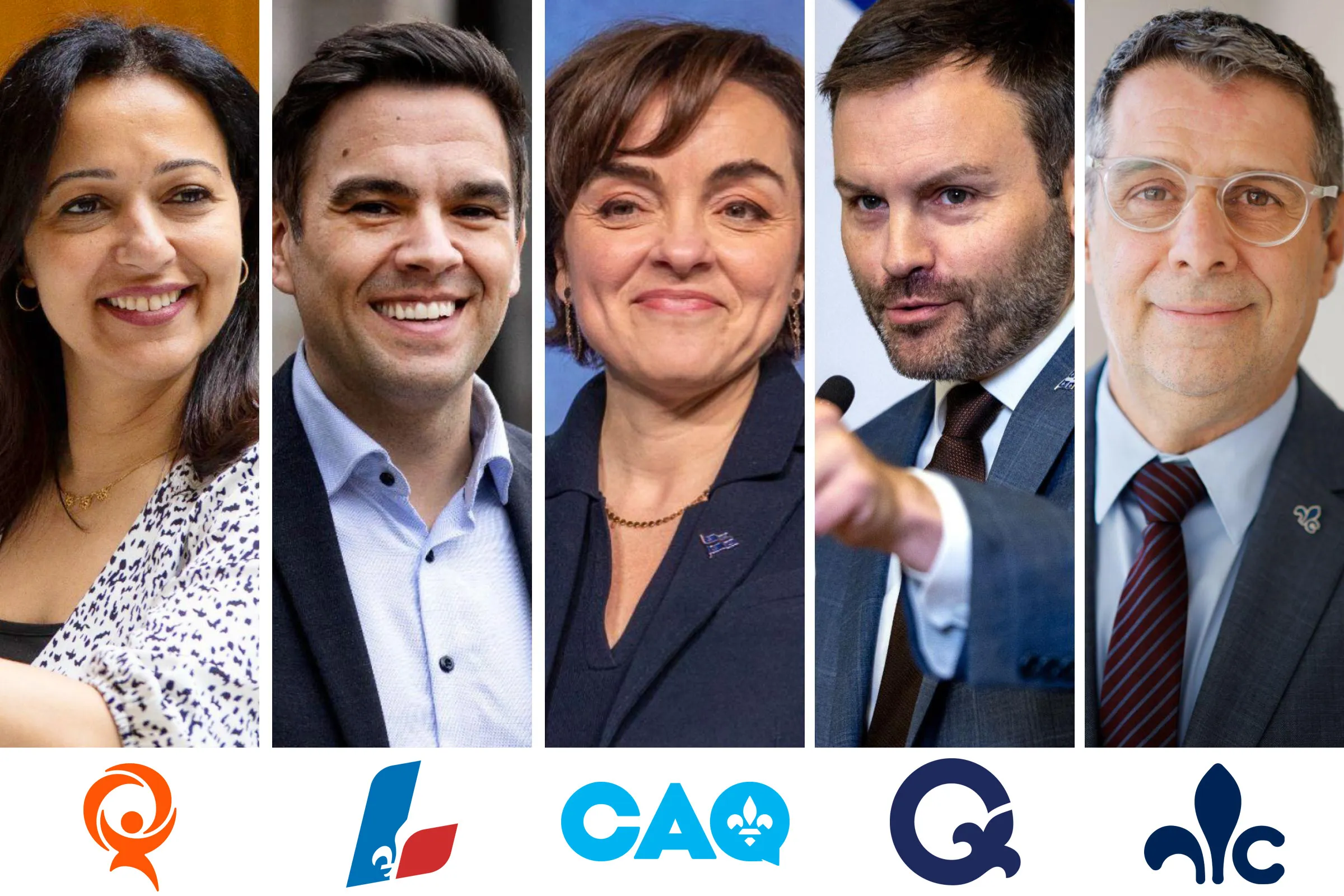
Second straight campaign where the Coalition Avenir Québec and Parti Québécois have declined to participate in a debate in English.
There will not be an English-language debate during the upcoming Quebec provincial election. The Quebec English news media consortium invited the leaders of each of the five main Quebec political parties to a 90-minute English-language debate on Sept. 24.
Two parties — the Coalition Avenir Québec and Parti Québécois — declined to participate.
Both Québec solidaire and the Conservative Party of Quebec agreed to participate. A spokesperson for the Quebec Liberal Party told the consortium that the party would participate in an English debate if all five parties were participating.
The English news media consortium is comprised of The Gazette, CBC Quebec, CTV News Montreal, CJAD 800, Global Montreal and CityNews Montreal.
….
TALQ, an anglophone rights group with about 40 member organizations, said it was “deeply disappointed” that the debate is not taking place. “This is fundamentally a question of fairness and democratic inclusion,” TALQ president Eva Ludvig said.
Ludvig said anglophones “deserve the opportunity to hear directly from those seeking to govern. An English-language debate would provide the transparency and accountability voters need to make informed decisions about their future.”
She added: “Seniors deserve to know who will protect access to health care. Students deserve to understand who will champion an education system that meets their needs. Families deserve clarity about the policies that will shape their future.” An English-language debate is “not a special privilege,” Ludvig said. “It is a reasonable expectation in a democratic society that values transparency, inclusion and respect for all its citizens.”