

TALQ urges Élections Québec to restore bilingual election mailings
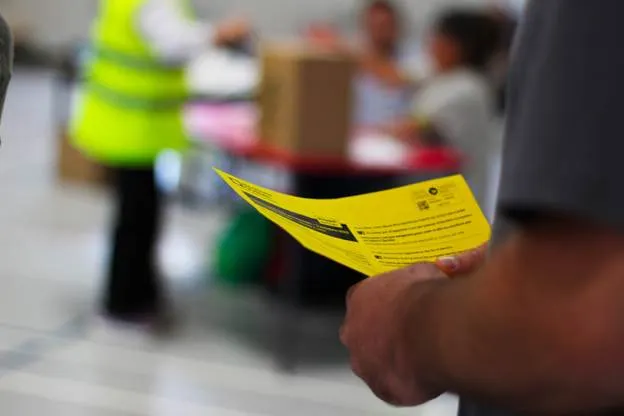
Quebec voters will receive key provincial election documents in French only for the first time during the 2026 general election, prompting an English-language advocacy organization to warn that the change could make information harder to access.
TALQ called on Élections Québec Tuesday to reverse the decision and mail essential information in both French and English. The organization said it has written to Chief Electoral Officer Jean-François Blanchet about the change, which will affect the provincial election guide, notice of entry and reminder card.
Élections Québec said it must now give priority to French because of amendments made to the Charter of the French Language by the 2022 law commonly known as Bill 96. Previously, the agency used both French and English to tell voters how they could exercise their right to vote.
…
TALQ President Eva Ludvig said the organization recognizes French as Quebec’s official language but believes the electoral system should make participation as accessible as possible.
“This is fundamentally an issue of democratic participation, not language politics,” Ludvig said in a statement. TALQ argued that requiring voters to scan a QR code or take additional steps to request English information could disproportionately affect seniors and others who have difficulty using digital tools.